

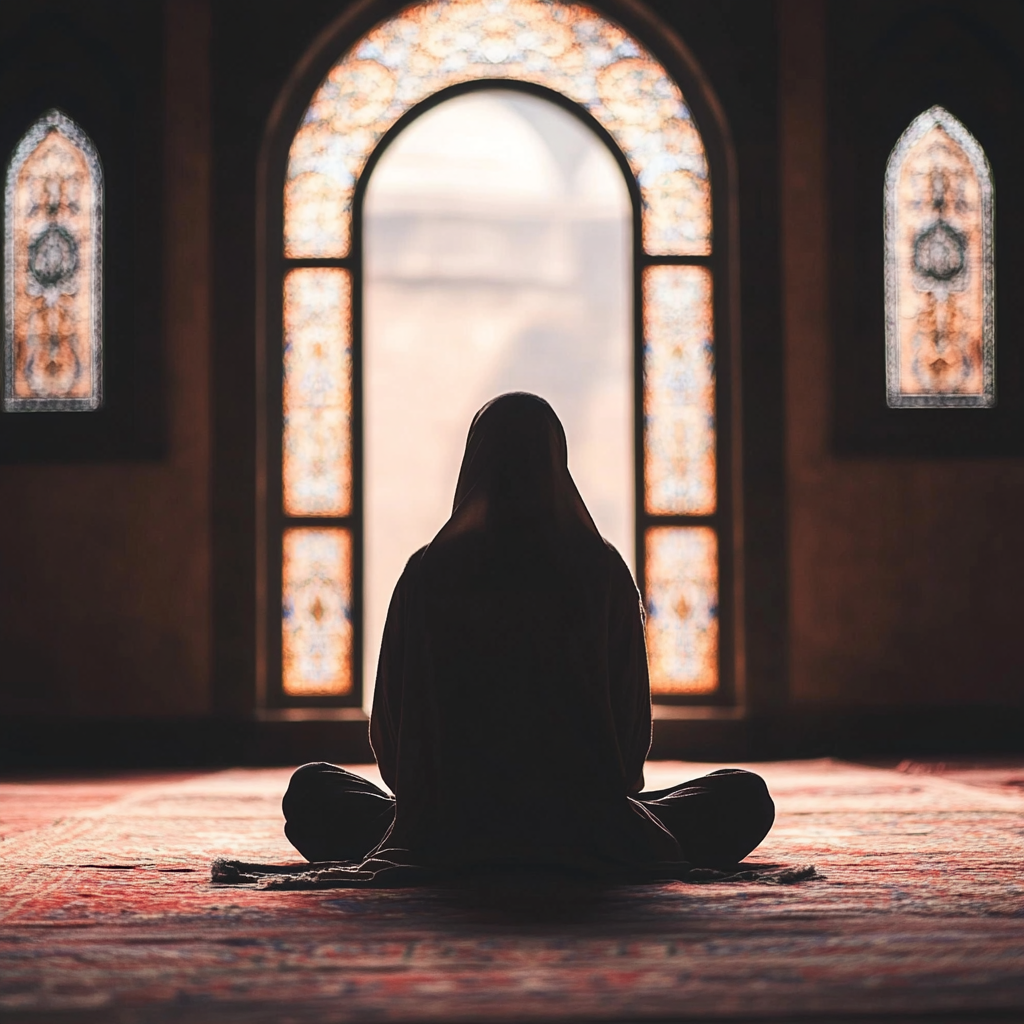
Understanding Stress: Causes, Effects, and Islamic Guidance
Stress is an inevitable part of life. It arises when we face challenges or pressures that seem overwhelming. While a moderate amount of stress can motivate us to grow and act, excessive or prolonged stress can lead to mental and physical ill health, including anxiety, depression, and chronic conditions like heart disease or weakened immunity.
This blog explores the factors that increase stress and offers solutions rooted in both contemporary knowledge and Islamic teachings to help manage and overcome it.
Factors Leading to Increased Stress
Stress can stem from various aspects of life. These include:1. Environmental Challenges:
- Work pressure, financial instability, and urban living can create relentless stress.
- Major life changes like moving, marriage, or loss amplify emotional strain.
2. Personal Issues:
- Personality traits such as perfectionism or high sensitivity to criticism.
- Unrealistic expectations or lack of effective coping skills.
3. Social Pressures:
- Relationship conflicts and lack of social support can weigh heavily on mental health.
- Cultural or familial obligations may also contribute.
4. Health Concerns:
- Chronic illness or physical pain can cause constant psychological and physical stress.
- Unhealthy habits like sleep deprivation, poor diet, and substance abuse worsen the impact.
5. Technological Overload:
- Digital distractions and constant connectivity make it hard to unplug and relax.
Impact of Stress on Mental and Physical Health
Unchecked stress can result in serious health complications. Mentally, it can lead to disorders like anxiety, depression, or burnout. Physically, stress contributes to heart disease, digestive problems, sleep disturbances, and a weakened immune system. Islam recognizes the struggles humans face and offers profound guidance to help us cope with life’s trials.Islamic Perspective on Stress and Trials
In Islam, stress and trials are seen as tests from Allah meant to purify the soul and draw us closer to Him. The Qur’an and Hadith emphasize patience, reliance on Allah, and gratitude as tools for managing stress and building resilience.1. Stress as a Test:
Allah reminds us that trials are part of life:“And We will surely test you with something of fear and hunger and a loss of wealth and lives and fruits, but give good tidings to the patient.” (Qur’an, 2:155)
2. Patience and Reliance on Allah:
The Prophet Muhammad (peace be upon him) said:“How amazing is the affair of the believer, for all his affairs are good. If something good happens to him, he is grateful, and that is good for him. If something bad happens to him, he bears it with patience, and that is good for him.” (Sahih Muslim, 2999)
3. Stress as a Means of Forgiveness:
Trials can expiate sins and elevate a believer’s status:“No fatigue, nor disease, nor sorrow, nor sadness, nor hurt, nor distress befalls a Muslim, even if it were t