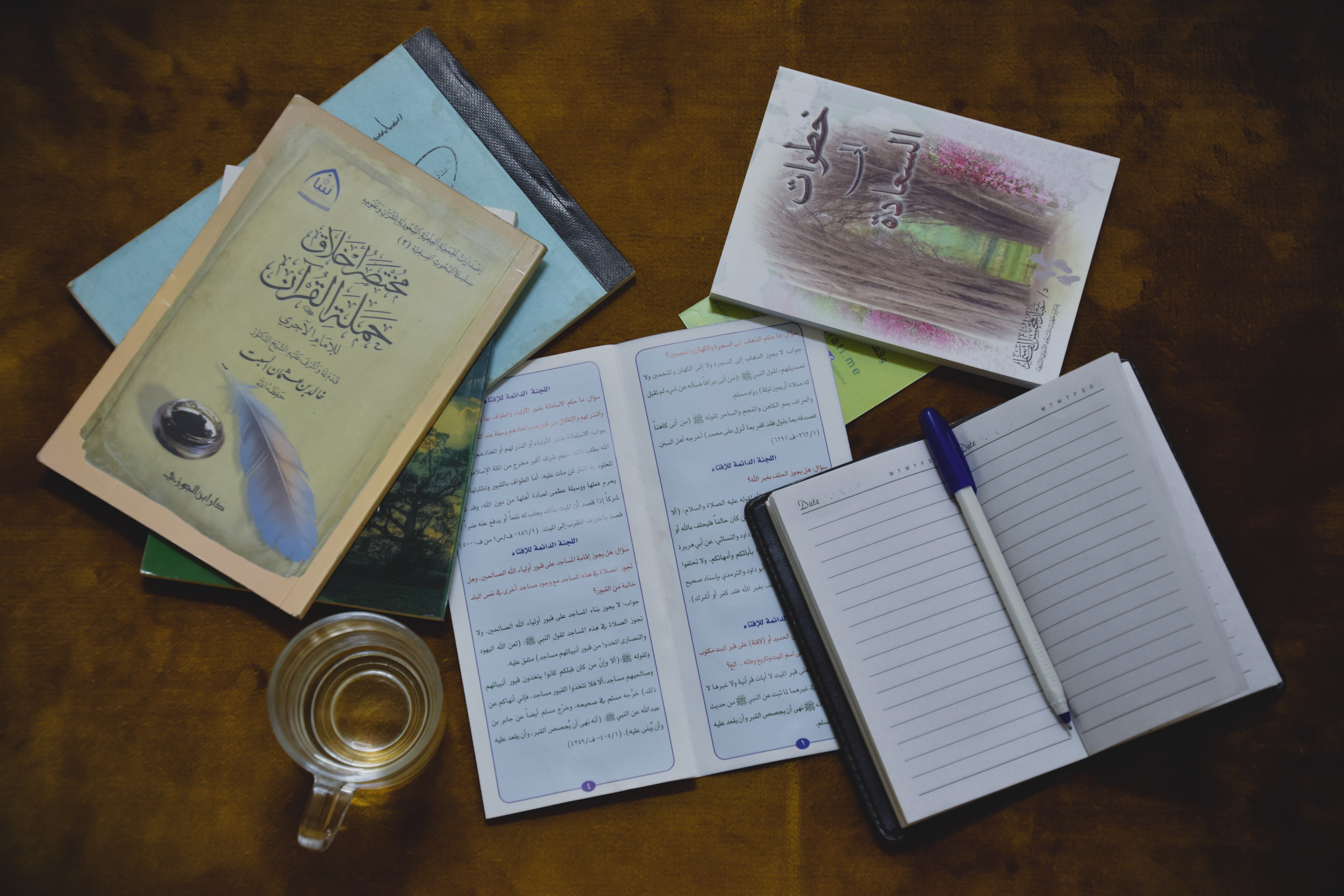
The Gravity of Issuing Fatwas
The task of issuing fatwas is not a light responsibility. A Mufti, when issuing rulings, is essentially speaking on behalf of Allah Almighty. Ibn al-Qayyim aptly titled his book on this subject, "I’lam al-Muwaqqi’een ‘an Rabb al-‘Alameen"(Informing Those Who Sign on Behalf of the Lord of the Worlds).
Key Insights:
- Ibn al-Munkadir said: "The scholar stands between Allah Almighty and His creation, so let him see how he conducts himself in this role."
- Due to the gravity of this responsibility, the righteous predecessors would avoid issuing fatwas, each wishing their peers would suffice in responding.
- Abdurrahman ibn Abi Layla shared: "I met 120 of the Ansar from among the Companions of the Prophet Muhammad (peace and blessings of Allah be upon him). When one of them was asked about a matter, he would refer it to another, and that person would refer it to another, until the question would return to the first one."
This hesitance underscores the weight of issuing rulings. Ata ibn al-Sa’ib, a Tabi’i, described meeting people who trembled when asked to respond to questions. Knowledge, as Al-Haytham ibn Jamil emphasized, is never “light” in its responsibility.
Who is Qualified to Issue Fatwas?
Not everyone is suited to issue fatwas. Scholars of the past emphasized stringent qualifications to preserve the sanctity of religious rulings.
Guidelines from Scholars:
- Al-Khatib said: "It is necessary for the Imam to review the conditions of those issuing fatwas. Whoever is found suitable, he should approve, and whoever is found unfit, he should forbid from issuing fatwas."
- Imam Malik only issued fatwas after seventy scholars testified to his qualification. He stated: "A man should not consider himself suitable for giving fatwas unless he asks someone more knowledgeable than himself."
Additionally, directing the questioner (Mustafti) to another scholar must be done responsibly. Ibn al-Qayyim noted: "Our teacher (Sheikh al-Islam Ibn Taymiyyah) rebuked me for directing someone to another Mufti without verifying their adherence to the Sunnah."
If you're looking to get started with this subject then you must view the
Hadith Course for Beginners Online page.
Conditions for the Mufti
 A Mufti must meet specific criteria to ensure their rulings align with Islamic teachings. These conditions are outlined by scholars:
Essential Qualifications:
- Taqwa (God-consciousness): The Mufti’s position is greater than that of a witness. Allah says, "If a sinful person brings you news, verify it" (Quran 49:6).
- Competence in Ijtihad: Ability to derive evidence from the Quran, Sunnah, and consensus.
- Knowledge of Fiqh and Usul: Proficiency in analogy (qiyas) and its foundations.
- Understanding the Issues: Correct perception of matters and disciplined application of knowledge.
- Mastery of the Arabic Language: Sufficient fluency to comprehend texts.
- Practic